

Ottawa cannot be called a crime-ridden city, but its history includes some terrifying crimes. For some of these crimes, Ottawa judges handed down death sentences by hanging. There were only three such cases. The first known execution of a criminal took place in 1869. The criminal was convicted of murdering a prominent politician and Father of Confederation. The last hanging in Ottawa occurred in 1946. Further details at ottawaski.com.
The Story of Eugène Larman
The life of Eugène Larman, the murderer of a Father of Confederation, was harsh, black-and-white, and tragically short.
Larman was born into a dysfunctional and impoverished family. His first troubles with the law began at a young age. He frequently skipped school, and in 20th-century public schools, attendance was strictly enforced. As a result, Larman was sent to a special school in another city. This was St. Joseph’s boarding school, which was run by a Christian brotherhood between the 1930s and 1970s. In the mid-20th century, such residential schools were notorious for subjecting children to emotional, physical, and sexual abuse. St. Joseph’s boarding school was no exception.
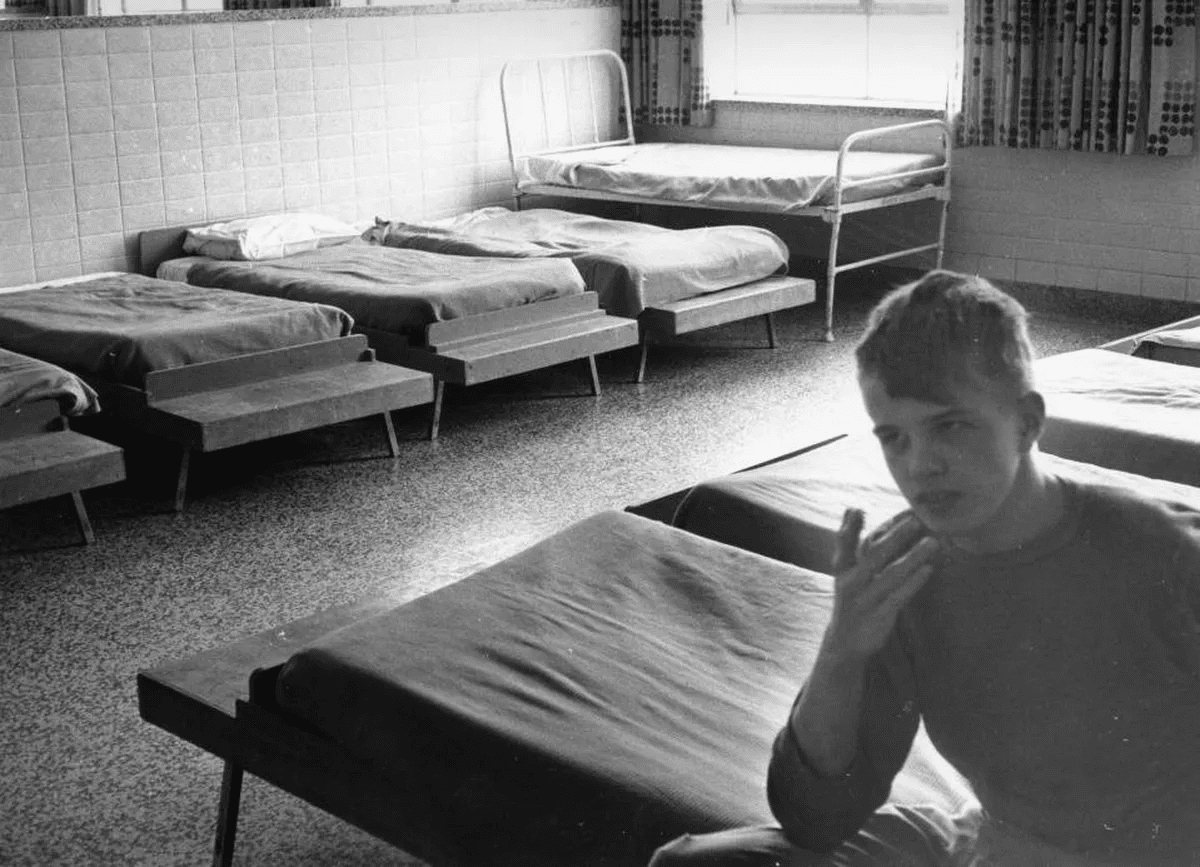
Larman went from an unstable home environment to an even more oppressive setting, which did nothing to help him find the right path. He spent three years there, without visits or letters from his family. Eventually, Larman decided to escape. He fled the boarding school and returned to Ottawa.
Escape, Reform School, and Vagrancy
Upon arriving in Ottawa, Larman was caught by the police. At the station, officers offered him a deal: if he confessed to stealing a wallet, he would not be sent back to the boarding school. Desperate to avoid returning, he admitted to the theft. The police kept their word and did not send him back but instead placed him in a juvenile detention center.
When Larman was released on parole, he returned to public school for a time and continued his education. However, he had nothing to live on, and his family was still considered dysfunctional. Larman had to earn a living on his own. He collected and sold scrap metal and briefly worked as a courier.
By 1938, when Larman turned 16, he was charged with vagrancy, breaking and entering, and trespassing. He was sent back to the juvenile detention center.
Imprisonment
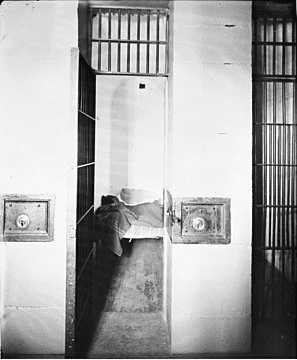
When Larman was released from the detention center in 1940, he once again strayed into crime. At 18, Larman and four friends stole a taxi in downtown Ottawa and robbed two men at gunpoint. Police pursued them and opened fire. The criminals were eventually caught, and Larman received a six-year sentence in Kingston Penitentiary for armed robbery. He was released in 1945.
Museum Robbery and the Murder of a Detective
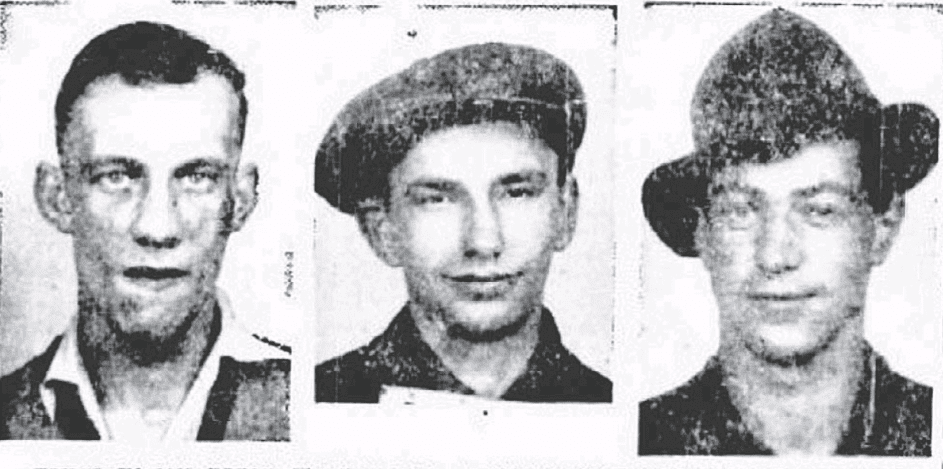
Following his release, Larman returned to crime.
Together with two friends, Henderson and D’Amour, he robbed the Canadian War Museum. The three criminals stole Thompson submachine guns used during World War II, two pistols, and four revolvers from the First World War.
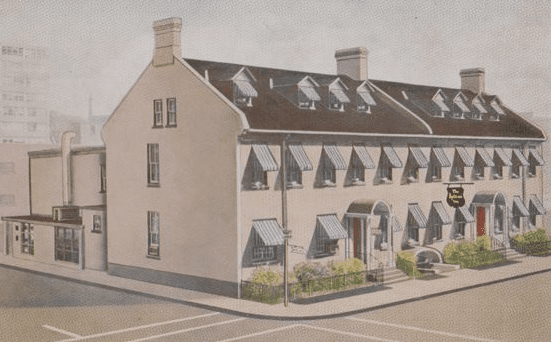
Bytown Hotel
The day after the museum robbery, an Ottawa resident spotted suspicious individuals near his home and called the police. Detective Thomas Stoneman and Constable Russell Berndt arrived at the scene to investigate. Near the Bytown Hotel, the officers saw three men. Henderson and D’Amour soon walked away, leaving Larman standing outside the hotel.
Detective Stoneman approached Larman, stating that he wanted to speak with him. Larman arrogantly responded, “What do you want?” and shot the detective. He then attempted to shoot the constable, but the officer ducked in time.
Following the shootout, more police patrols arrived, and a manhunt for Larman ensued. He was eventually captured at his family home. Additionally, police found the stolen weapons from the Canadian War Museum in an abandoned building near his home.
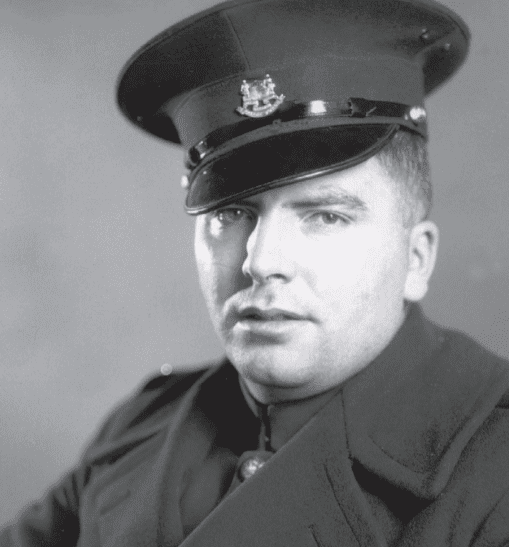
Larman was initially charged with the attempted murder of Detective Stoneman. However, after the detective—who had served for fifteen years—succumbed to his injuries in the hospital, Larman’s charge was upgraded to murder.
The body of the innocent fallen officer was buried with full honors at Beechwood Cemetery.
Verdict and Execution
Even while imprisoned, Larman continued his criminal behavior. Along with his accomplices D’Amour and Henderson—who had also been arrested in connection with the detective’s murder—Larman attempted to escape from prison. During the escape attempt, they attacked a prison guard and severely beat him. The guard suffered serious injuries and required five stitches on his head.
The trial of the three criminals began in 1946. Larman had already confessed to shooting the detective upon his arrest. The court proceedings were complex, but after extensive deliberations, the judge found Larman guilty of murdering Detective Stoneman. However, his accomplices, D’Amour and Henderson, were acquitted of the murder charge.
Larman was sentenced to death, while his accomplices remained in prison on other charges.
Detective Stoneman left behind a grieving family—his wife and children—who sought justice for his merciless murder. Stoneman had spent years protecting the peace in Ottawa, and his death left a deep void.
After Larman was hanged, his body was returned to his family for burial. Eugène Larman was buried in an unmarked pauper’s grave at Beechwood Cemetery—the very same cemetery where his victim, Detective Thomas Stoneman, was laid to rest.