

Millions of viewers remember him as the wise patriarch Ben Cartwright from the cult series Bonanza. However, Lorne Greene’s journey to global fame began not in the Western prairies, but in snowy Ottawa. How did the son of immigrants become the “Voice of Canada” during World War II, invent a specialized stopwatch for broadcasters, and transform into one of the highest-paid actors of his time? In this article on ottawaski, we reveal little-known facts about the life of Lorne Greene—a man who reshaped media history and became a symbol of an entire era.
Humble Beginnings in Ottawa
Born in Ottawa in 1915 as Lyon Himan Green, the man the world would know as Lorne Greene was the son of Jewish immigrants. His mother called him Chaim, while his school records listed him as Himan. It remains a mystery exactly when he made the permanent switch to “Lorne.”
Greene’s early talent for performance was nurtured in the heart of Ontario’s wilderness. He spent summers teaching drama at Camp Arowhon in Algonquin Provincial Park, a formative experience for the future star.
He later attended Queen’s University in Kingston, Ontario. This period was pivotal, as it was within the university’s halls that his famous “velvet baritone” voice began to take shape. Interestingly, Greene originally intended to study chemical engineering in the early 1930s. However, the magic of the stage and the microphone proved too strong to resist.
As an active member of the Drama Guild, Greene got his first real taste of acting in classical plays. Faculty members quickly noticed his innate ability to command an audience’s attention and master the art of the dramatic pause. His passion grew so deep that he switched his major to English and French to better understand the texts he longed to perform. During this time, he also honed his craft at CFRC, one of the oldest operating radio stations in the world, where he experimented with live broadcasts and vocal diction.
The “Voice of Canada” During WWII
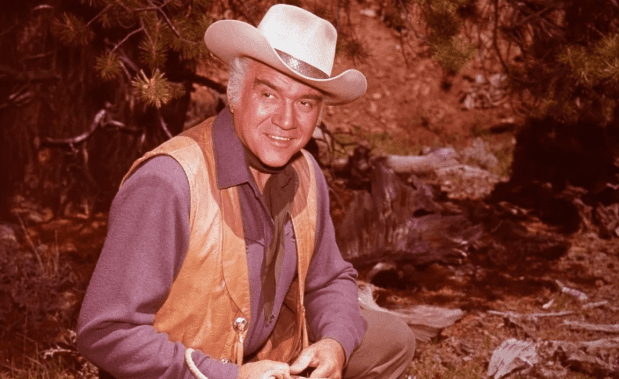
After university, Greene moved to New York to study at the Neighborhood Playhouse under the legendary Sanford Meisner. By 1939, he returned to Canada and landed a job as a newsreader for the Canadian Broadcasting Corporation (CBC). He eventually became the principal announcer for the CBC National News, earning the unofficial title “The Voice of Canada.” Because his deep, resonant baritone delivered both harrowing war news and messages of hope, he was also famously nicknamed “The Voice of Doom.”
Greene’s contribution to the war effort wasn’t just behind a microphone; he served as a flying officer in the Royal Canadian Air Force. His technical ingenuity also led him to invent a countdown stopwatch for broadcasters, known as the Greene Stopwatch. This allowed news segments to end with split-second precision—a feat that became a professional broadcasting standard.
In 1941, his narration for the National Film Board documentary Churchill’s Island helped the film secure an Academy Award, further cementing his reputation as a world-class orator.
The Bonanza Phenomenon: Ben Cartwright as the Nation’s Father
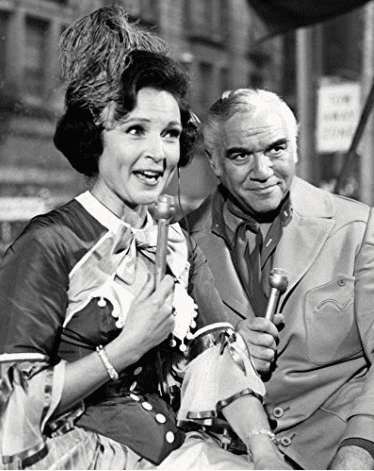
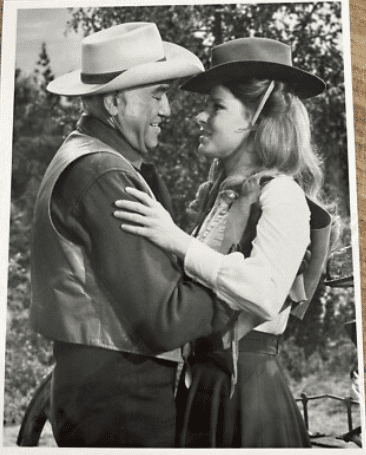
While Bonanza made Lorne Greene one of the highest-paid actors of his era, it wasn’t his first foray into television. Years before signing on as Ben Cartwright, he starred in the British adventure series Sailor of Fortune and took on roles in Westerns like The Hard Man (1957). However, he is forever linked to the Ponderosa Ranch and his three sons: Adam, Hoss, and Little Joe.
Premiering in 1959, Bonanza was a revolutionary Western. While other shows focused on lone gunmen and shootouts, Bonanza centered on family dynamics. Lorne Greene’s portrayal of the Cartwright patriarch was groundbreaking for several reasons:
- A New Image of Fatherhood: Greene moved away from the “stern, secondary father” trope. He created a character who was wise and firm, yet deeply loving. He led his family not through violence, but through strength of character and open communication.
- Social Values: The show became a moral compass for a generation. Broadcast on Sunday evenings, it tackled issues like racial equality and religious tolerance, transforming the Ponderosa into a symbol of a home worth protecting.
- A Technicolor Showcase: As one of the first series filmed entirely in color, Bonanza was a “window” into new technology for NBC. The vibrant landscapes of Lake Tahoe and Greene’s presence were a major draw for audiences upgrading to color TVs.
- The “Continent’s Father”: Greene’s authority was so convincing that fans often wrote to him seeking real-life advice, viewing him as the actual head of the family.
Personal Life
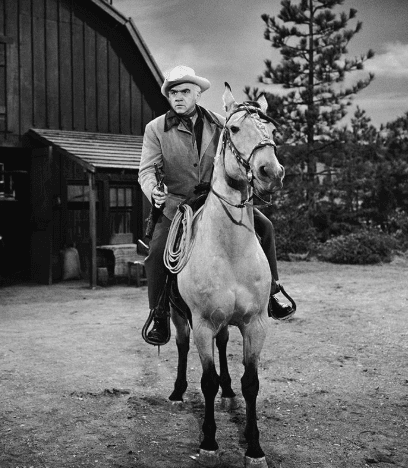
Behind the scenes of his role as the “Nation’s Father,” Greene had a busy personal life. He was married twice: first to Rita Hands of Toronto in 1938, with whom he had twins, and later to Nancy Deale in 1961, with whom he had one child.
From Battlestar Galactica to Music Stardom
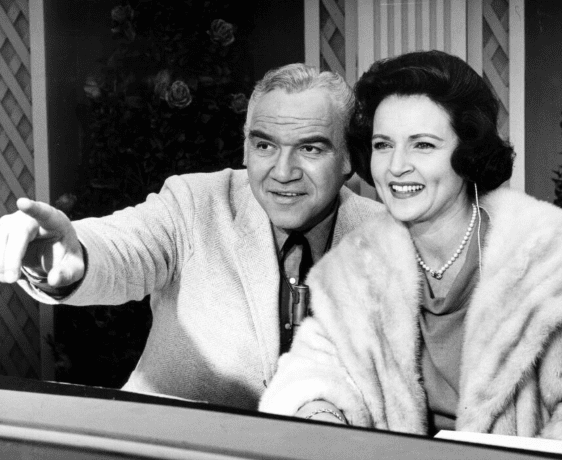
Lorne Greene’s career allowed him to live out every child’s dream. Beyond being a cowboy, he ventured into space as Commander Adama in the original Battlestar Galactica (1978–1979). He also achieved unexpected musical success. In 1964, his spoken-word ballad “Ringo” hit number one on the charts, leading to several albums that blended folk and country storytelling with his Bonanza persona.
A Lasting Legacy: Why We Still Remember Lorne Greene
In his later years, Greene dedicated himself to environmental conservation through his series Lorne Greene’s New Wilderness. His contributions to the arts were recognized with a star on the Hollywood Walk of Fame in 1985.
When he passed away in 1987, he left a void in the industry, but his name lives on. Queen’s University honors him through the Lorne Greene Award for outstanding theatrical achievement. Additionally, Canada Post featured him in the Canadians in Hollywood stamp series in 2006, and he was inducted into Canada’s Walk of Fame in 2015.
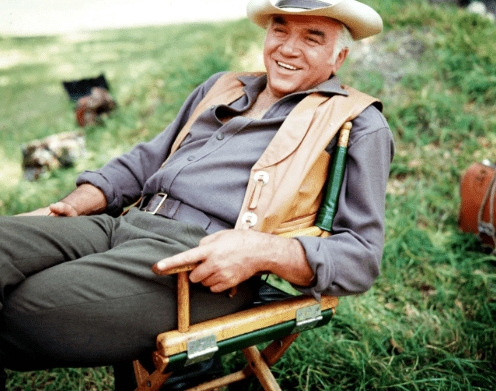
Lorne Greene remains a towering figure in Canadian history—a man whose voice and presence bridged the gap between the golden age of radio and the modern era of television.
Sources: