Ottawa is not only the political capital of Canada but also a cultural hub featuring some of the best festivals in the country. These events are among the reasons why people return to the city year after year. Ottawa Ski explores the origins of the city’s first music festivals and how it all began.
Festival L’Outaouais en Fête
The history of this major song festival dedicated to Quebec culture began in 1976. Over the years, the tradition of celebrating French-language music has only strengthened, lasting four days each year.
Key values of the festival include Francophonie, artistic recognition, and cultural exchange. The organizers also promote environmental respect and sustainability.
Ottawa Bluesfest
This annual open-air music festival in Ottawa initially focused exclusively on blues music. Over time, additional genres were incorporated, and Bluesfest became Canada’s largest music festival. In North America, it ranks as the second-largest event of its kind.
Bluesfest is not only a showcase for international musical talent but also an institution with a rich history. The festival operates as a nonprofit charitable organization, supporting various musical initiatives that help local artists grow. Notable projects include:
- Blues in the Schools
- Be in the Band
- Bluesfest School of Music and Art
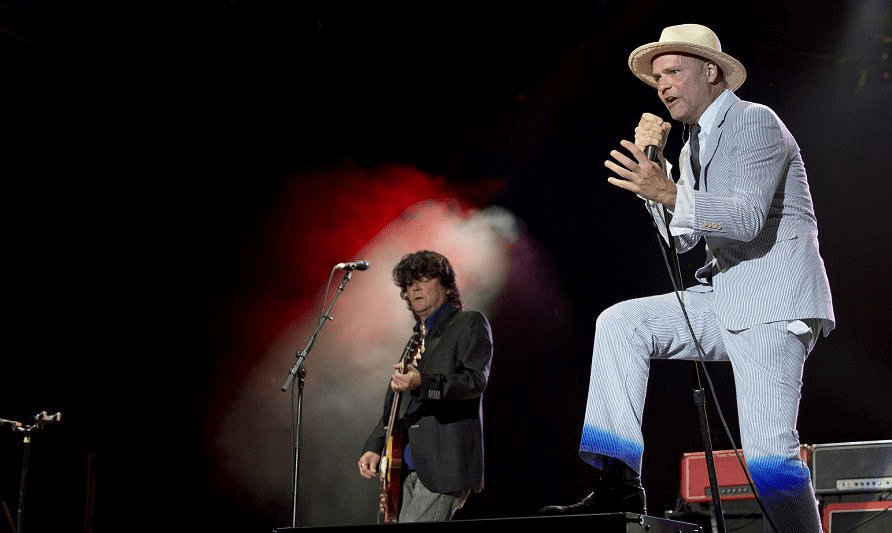
The History and Transformation of Bluesfest
The grand event debuted in 1994 at Major’s Hill Park, drawing over 5,000 attendees to a performance by Clarence Clemons Jr.
In 1995, the festival attracted an even larger audience, featuring artists like John Hiatt and Buddy Guy. By 1996, attendance had grown to 25,000, with performances from blues guitarist and singer Robert Cray and Los Lobos. That same year, Mitel became the festival’s first sponsor.
The festival moved to Confederation Park in 1997, still within central Ottawa but providing more space and accessibility. In 1998, Bluesfest coincided with Canada Day, drawing over 80,000 visitors. The following year, the event relocated to LeBreton Flats, a larger venue to accommodate the increasing crowds.
By 2002, attendance surpassed 200,000, continuing to grow each year as both locals and visitors embraced the festival.
CKCU Ottawa Folk Festival
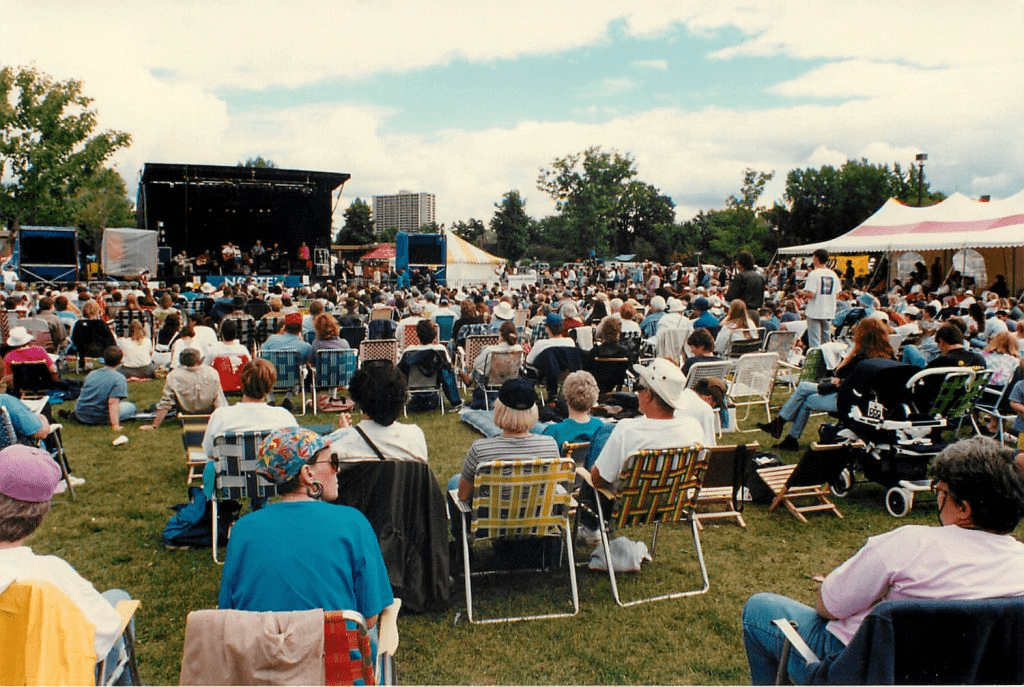
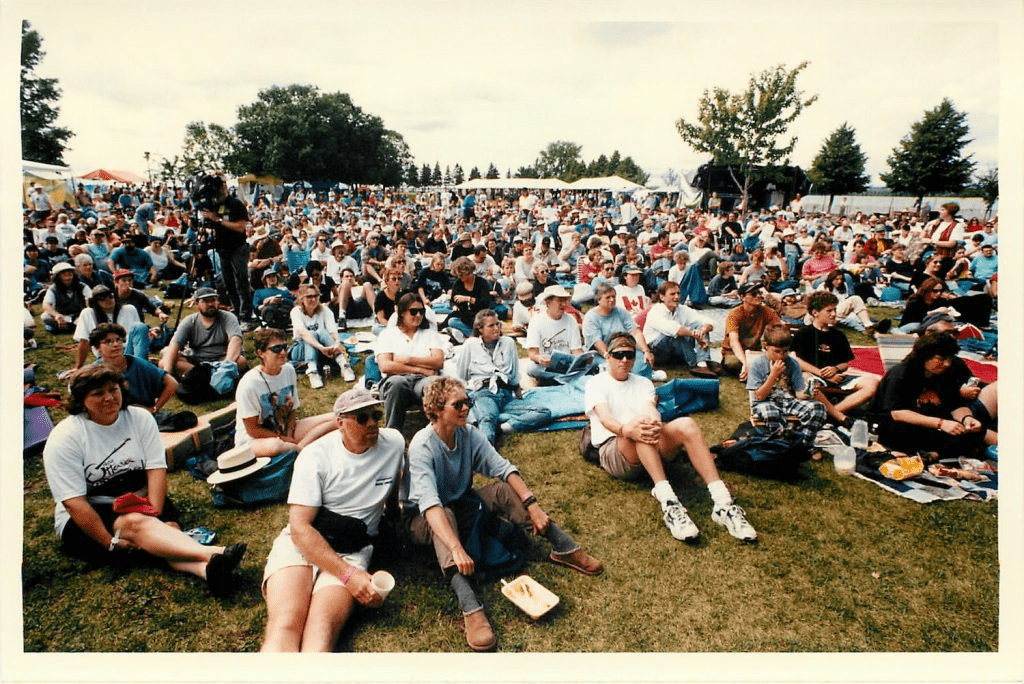
Established in 1994, the Ottawa Folk Festival quickly gained popularity. The event was designed to showcase Canada’s folk traditions through music, dance, crafts, and storytelling. Unlike other festivals, it was known for its relaxed atmosphere and welcoming crowd, where attendees gathered to enjoy the best folk music of the time.
Founders Max Wallace and Chris White, a community radio station manager and a singer-songwriter, respectively, combined their enthusiasm with volunteer support to create a heartfelt and authentic event. The inaugural festival took place on Victoria Island, moving to Britannia Park in 1995.
The festival faced challenges in 2010 but survived under the leadership of Mark Monahan. In 2011, it relocated to Hogs Back Park, significantly increasing attendance. Thanks to generous sponsorships, partnerships, grants, and volunteers, the festival remains a beloved cultural event.
Interesting Stories from the Ottawa Folk Festival
Several key events paved the way for the festival’s creation:
- 1959: The Le Hibou coffeehouse opened, showcasing folk legends across Canada.
- 1976: The Folk Centre opened in Ottawa, functioning as both a folk music store and a music school, hosting the first “Festival for People.”
- 1980: Canadian Spaces, the longest-running folk radio show, premiered on Canada’s public radio network.
- 1981: Rasputin’s, one of the era’s top folk music venues, was established.
All these developments led to the creation of the Ottawa Folk Festival, an event that continues to celebrate folk music’s most cherished moments.
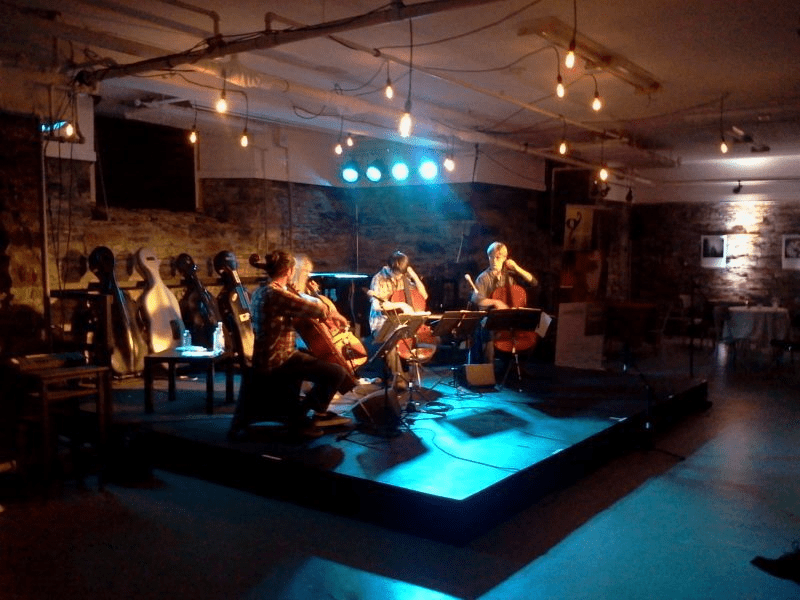
Ottawa Chamber Music Festival
In 1994, Ottawa’s classical music community sought to establish a chamber music festival, leading to the creation of the Ottawa International Chamber Music Festival. Over ten days, 22 concerts were performed in two churches, establishing a tradition that quickly gained public support.
By 1995, the festival expanded to 48 concerts, reflecting its growing popularity. The trend continued, and by 1999, the event attracted around 40,000 attendees.
For example, in 2005, the festival hosted 120 concerts over 15 days across 16 venues, drawing an audience of over 62,000.
Event Program
Artistic and Executive Director Julian Armour aimed to increase classical music’s popularity among the public. The festival encouraged interaction between musicians and audiences in an intimate setting.
The programming featured a broad spectrum of styles spanning various classical music periods. While the festival invited world-class chamber musicians, it remained focused on promoting local artists.
World-class music festivals continue to attract residents and visitors to Ottawa. Though the city’s first music festivals began long ago, they have evolved and transformed while maintaining an unwavering love for music.