

It’s much more than just another television show. «You Can’t Do That on Television» is a cultural phenomenon that became the defining voice for an entire generation who grew up glued to their screens. More about its start on local television and its rise to global fame through the Nickelodeon channel will be told by ottawaski.
The Era of the Teen Sketch Comedy
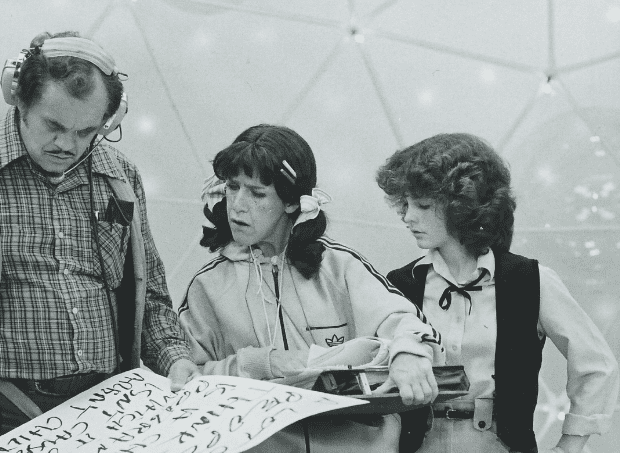
The pioneering sketch comedy series debuted on February 3, 1979, on CJOH-TV in Ottawa. This was the local television station CJOH-DT (Channel 13), owned and operated by CTV Television Network, a division of Bell Media. The series was created by Roger Price and Geoffrey Darby, who also served as its director.
When the show first aired, it was a local, low-budget, hour-long program, with some segments broadcast live. The show was engaging and diverse, covering not only the comedic sketches that viewers adored. Live segments also featured music videos, contests where audience members won prizes that were valuable at the time—such as small portable radios, records, and models—and performances by local disco dancers. They also invited special guests, one of whom was the notable Ottawa cartoonist Jim Unger.
Another innovation by the show’s founders was filming in Ottawa’s leisure spots. Each week, the camera crew, dubbed “The Travelling Camera,” would head out to these locations to record kids’ jokes. The local audience could also use this time to air their grievances about life. The recorded segments were broadcast on the show the following week. Viewers eagerly awaited each episode, hoping to spot themselves, their family, or friends on their favourite show. Planning a trip? Check out our budget-friendly tour suggestions for exploring Ottawa for free.
The show also had strong ties with Ottawa’s popular Top 40 radio station, CFGO. This partnership offered certain advantages; for instance, the station’s host, Jim Johnson, participated in the show. He hosted the disco dance segments and shared interesting information about the artists featured in the music videos. This kind of partnership helped integrate elements of popular culture of the time into the show.
The Show’s Evolution and Global Reach
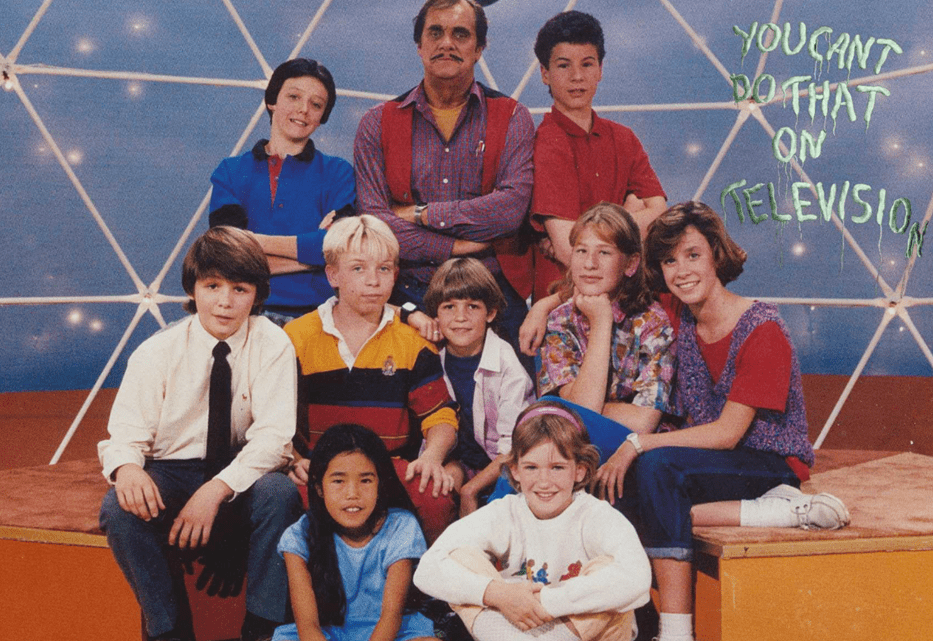
Throughout the series, viewers saw Canadian television, radio, and comedy film veteran Leslie Lye. He played numerous recurring characters and was initially the only adult on the show. Partnering with Leslie Lye’s paternal character “Lance” was actress Abby Hagyard, who played the maternal character “Valerie.” She joined the series in 1982. Older children in the cast later also played adult characters, notably Christine McGlade, Sarah West, and Cyndi Kennedy.
Starting with the third season, the comedy series expanded its focus to the entire North American audience. «You Can’t Do That on Television» became a staple of the American cable network Nickelodeon from 1982. During this time, the network’s signature feature, which brought it popularity and recognition, was the introduction of the network’s iconic green slime. The series was broadcast every Saturday morning and later several times a week.
Nickelodeon aired reruns of the series until 1994, when it was replaced by the American children’s sketch comedy series «All That». The pilot episode was first shown on April 16, 1994, and the series officially debuted on January 21, 1995. Thus, original short comedy sketches and weekly musical guests, all aimed at a young audience, took over from «You Can’t Do That on Television».
The Legacy of the Series
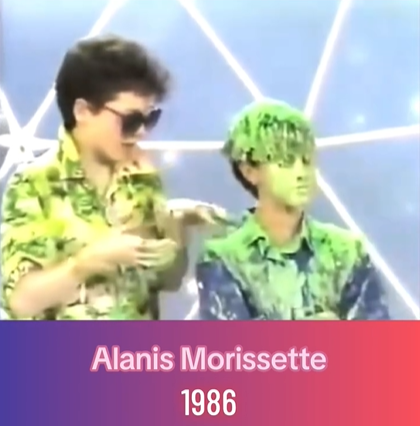
Not only did it bring smiles to young people, but the show also became a career launching pad for many well-known figures. For example, alternative rock musician from Ottawa Alanis Morissette. Fans of the series remember young Alanis being covered in slime. Interestingly, the green slime was initially made of spoiled food, but after complaints from the actors, it was replaced with a mixture of lime-green gelatin powder, oatmeal, and water. Learn more about Alanis Morissette’s acting career.
The series also helped launch the careers of director Patrick Mills and Bill Prady. Bill Prady is widely known as the co-creator of «The Big Bang Theory». This highlights the significant scale of the show’s influence.
This show was one of Nickelodeon’s first major hits, after which the channel became associated with child-oriented humour. Furthermore, the series popularized the green slime that is still used on the channel, the Kids’ Choice Awards being a prime example.
The Documentary Film
The lasting impact and nostalgia for the original series led to the creation of a separate documentary film, «You Can’t Do That On Television». It is dedicated to the history and phenomenon of the show, including the story of its official releases. The film was directed by David Dillehunt in 2004. This movie is an important artifact that documented the show’s history right in the place of its birth.
The North American release was handled by Shout! Factory in 2012, and the re-release by MVD Entertainment in 2022.
The film’s tour became the last project shot in the original Studio D at the CJOH premises. Immediately after the documentary filming wrapped, management sealed off the premises for tax purposes.
It is worth noting that in February 2010, a fire broke out in the CJOH building where the studio was located. In 2011, the building, along with Studio D, was demolished.
Despite the series’ absence from the market for many years, attempts were made at its commercial distribution.
- In 2012, 21 half-hour episodes were released and distributed on iTunes and Amazon. Starting in December 2012, these were three separate digital volumes. They are no longer available for purchase.
- In 2013, copies of missing episodes from off-air recordings were provided by Roger Price, after which they were published on YouTube.
- The next attempt was streaming in 2021. The first 14 half-hour episodes were made available to fans on the Paramount+ platform (part of the Nickelodeon library, as that network aired the show in the US), but this option is currently unavailable.
The series was never officially released on home media (DVD or Blu-ray), which makes the full series archive difficult to access.
The single exception is the well-known official physical release – a 1989 VHS tape titled «You Can’t Do That On Television». It was released by Elektra Video and offered fans a compilation of the funniest sketches and scenes featuring the green slime.
Ratings Success
The main goal of the show was entertainment, serving as children’s programming on Saturday mornings. The series was not intended to be an educational program. This approach proved successful in its local broadcast. According to one episode’s data, the show garnered a 32% CJOH rating in its 10:30 a.m. Saturday time slot. This demonstrates its significant popularity locally even before its international success on Nickelodeon.
«You Can’t Do That on Television» aired from 1979 to 1990 (10 seasons). It radically changed the landscape of children’s television through its satirical take on adult themes, making fun of parents and teachers, and breaking the fourth wall. The program, which lasted a full decade, proved that children’s programming could indeed be satirical, funny, and entertaining. The series gave the world green slime and became a source of inspiration for subsequent generations of sketch comedy. It remains one of the most influential, iconic children’s series in television history, and it all started right here in Ottawa.
Sources: