

Ottawa hosts many vibrant festivals each year, making it a city full of cultural experiences worth exploring. Ottawa Ski takes a closer look at the Carnival of Cultures, its history, and how it transformed into one of the city’s most significant festivals.
When Was the Festival First Held in Ottawa?
The history of the Ottawa International Folklore Festival dates back to 1992. This unique annual event brings music, dance, and songs from around the world to life. The festival’s goal is to promote artistic creativity, celebrate cultural expression, and preserve global traditions.
Traditionally, the festival takes place at Ottawa City Hall’s Marion Dewar Plaza and runs for three days. Performers from various cultural backgrounds, including the Ukrainian community, participate in the event. The director and organizer of the Carnival of Cultures, Tony Yazbeck, firmly believes in the festival’s value, emphasizing its role in making international culture more accessible.
It is worth noting that Berlin also hosts a Carnival of Cultures, though on a much larger scale.
A Unique Experience
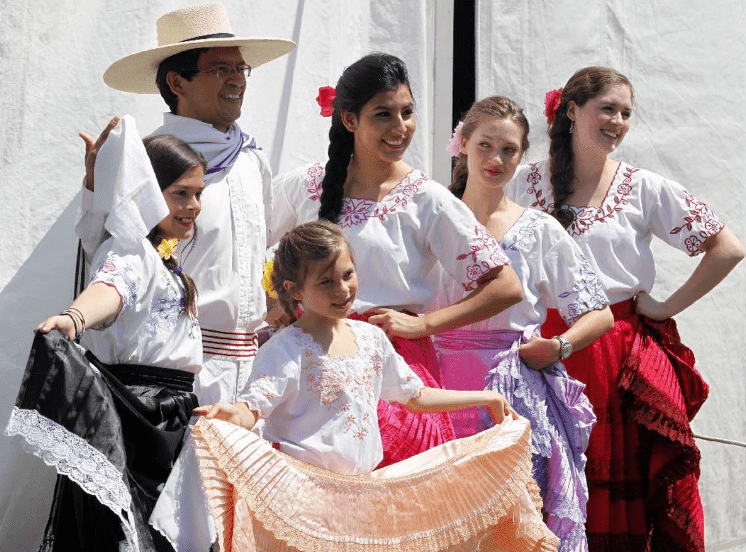
What makes the Carnival of Cultures special? This festival guarantees unforgettable emotions and remarkable live performances by local and international artists. The Ottawa International Folklore Festival highlights the diverse cultural and folk heritage of Canada.
The annual event leaves a lasting impression, serving as a home to many cultures and uniting global music, dance, and traditions on one stage.
CityFolk
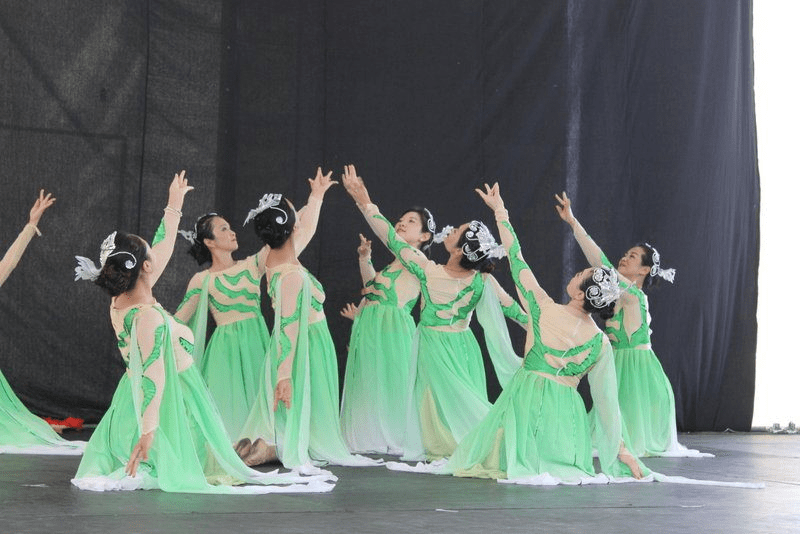
In discussing the festival’s evolution, it’s essential to mention another annual event that later merged with the Ottawa International Folklore Festival—CityFolk.
CityFolk’s history began in 1994, two years after the debut of the Carnival of Cultures. The festival was founded by Joyce MacPhee, a member of the original Steering Committee.
Held at Lansdowne Park in the Glebe neighborhood of Ottawa, CityFolk is a multi-day event that blends music and dance. Each year, the entertainment lineup features over 30 performances across indoor and outdoor stages. The festival is known for its wide range of musical genres, while the “Musical Harvest” program in the lively Glebe district offers free performances by local and international artists.
Transformation of the Ottawa Folklore Festival
In 2010, the founders of the Ottawa Folklore Festival realized they could no longer manage its growing financial challenges. As a result, they accepted a partnership offer from RBC Bluesfest, and Mark Monahan took over as executive director. From that point on, the festival was rebranded as CityFolk.
- The festival expanded to a four-day format to accommodate a larger entertainment program and more Canadian and international artists.
- The venue was moved to Hog’s Back Park.
- In 2012, CityFolk became a five-day event, attracting 25,000–30,000 attendees, a format that was well received.
- By 2013, the festival’s attendance surged to 50,000, earning it recognition as one of Canada’s most popular festivals.
- In 2016, CityFolk introduced Marvest, a music series featuring folk, country, and international hits. That year’s guest performer was British singer James Bay.
- In 2018, CityFolk (formerly the Ottawa International Folklore Festival) opened with rock legend Steve Earle, achieving massive success.
- In 2019, attendance exceeded 50,000, continuing a trend of steady growth. The festival built a strong reputation and gained widespread fan appreciation.
Impact of the Pandemic and Festival Revival
- In 2020, due to the COVID-19 pandemic, CityFolk was held as a virtual event instead of an outdoor festival.
- In 2021, live performances were restored, marking the festival’s return to its traditional format.
Previously, the Carnival of Cultures was held in June or July, while its modern version, CityFolk, now takes place in September. The festival atmosphere is something best experienced in person, offering an opportunity to witness the cultural richness and artistic diversity that define Ottawa’s folk and world music scene.