His contribution to Ottawa’s history is immense. Just consider the first banquet ever prepared in an electric oven. Thomas Ahearn introduced several pioneering technologies that were unprecedented in North America at the time. Ottawa Ski delves into his journey of success, recognition, and impact on the city’s development.
Childhood and Youth
Thomas Ahearn was born on June 24, 1855, in the working-class district of LeBreton Flats, Ottawa, and was raised in a family of Irish Catholic immigrants. Interestingly, he never received a formal education, as he was expelled from the University of Ottawa for misbehavior. However, in his seventies, fate led him back to school, where he obtained an official certificate as a telephone and telegraph operator.
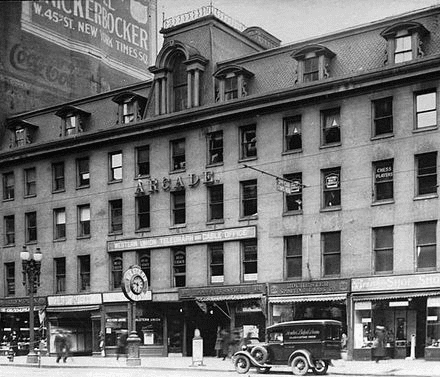
After being expelled, young Ahearn worked as a courier for the local Chaudière company and, after 1873, for Western Union in New York.
Thomas Ahearn’s Wealth
The year 1879 was a turning point for Thomas Ahearn when he and his business partner Warren Young Soper secured a contract to install telegraph systems nationwide for the Canadian Pacific Railway. The capital they earned allowed them to establish their own consulting firm, Ahearn and Soper, in 1882.
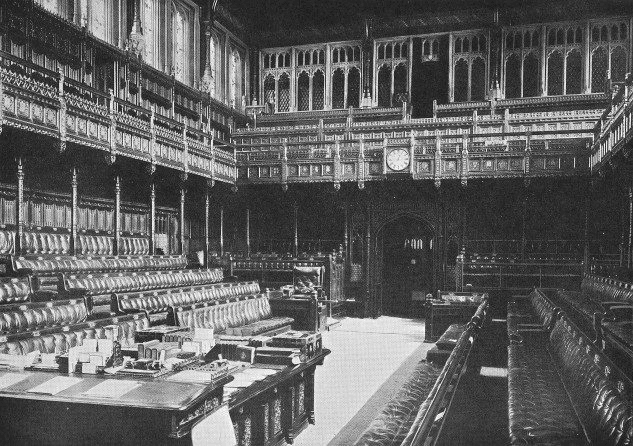
By 1883, the duo secured a major project—installing electric lighting in the House of Commons. Remarkably, Ottawa received electric lighting even before the Capitol in Washington, D.C.
Ahearn’s company grew rapidly, outpacing competitors in other cities. One key reason for this was early exposure to the latest technological advancements in electricity generation. Coupled with superior technology and an expanding customer base, Ahearn’s business flourished.
His Business Empire in Ottawa
In 1895, Thomas Ahearn and Soper built a manufacturing empire specializing in control equipment and small electrical appliances, distributing their products throughout Ontario.
Another major milestone was securing a contract to install electric transportation. Ahearn also invested in an aging coach manufacturing shop in Ottawa, producing supplies for the city’s main railway and various Canadian street railway companies.
Ahearn and Soper’s company became one of the most influential enterprises in Ottawa, integral to the city’s daily life.
Ottawa Electric Company
In 1894, Thomas Ahearn co-founded Ottawa Electric Company alongside John McRae and Erskine Bronson. This monopoly on commercial and residential lighting in the city expanded year after year. Electric companies received batteries, insulators, and auxiliary equipment.
Ahearn’s patents reflected both his professional pursuits and personal interests. He was known for:
- Finding solutions in complex situations and overcoming obstacles.
- Implementing innovations fearlessly.
- Connecting his technologies in novel ways.
- Adapting inventions to suit his needs.
“The Master of Promotion”
Ahearn’s promotional skills were extraordinary. One prime example was the “electric” banquet he hosted on August 29, 1892. Key highlights that amazed elite guests included:
- Dishes prepared on Ahearn’s self-designed and built electric appliances.
- A menu featuring over 30 dishes, including soup, cooked fish, baked and boiled meals, vegetables, desserts, puddings, pastries, and fruits.
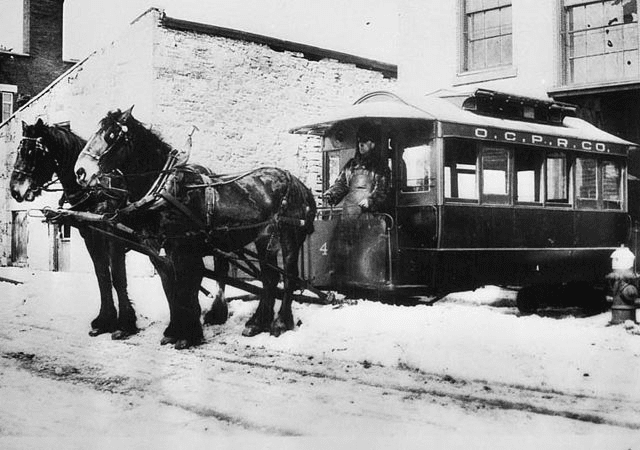
- An electric tram that transported food to the Windsor Hotel dining room. Remarkably, even during winter, Ottawa’s electric trams remained operational.
This event left a lasting impression on the 100 invited guests, including the city’s mayor, major business executives, and newspaper reporters, generating widespread media coverage.
Family
Beyond his professional success, Ahearn had a notable personal life. His first marriage was to Lillias Mackay Fleck.
In 1892, he married Margaret Howitt Fleck. She was educated at the McGill Normal School and studied at Bute House. Margaret was president of the Victorian Order of Nurses. The couple loved traveling outside Ottawa. They had two children:
- Frank, who became the owner of Ottawa Auditorium and the professional hockey team Ottawa Senators.
- Lillias, who married Ottawa Citizen publisher Harry Southam in 1909.
Contribution to Ottawa’s Development
Thanks in part to Thomas Ahearn, Ottawa emerged as a hub for high technology. The city’s proximity to the Chaudière Falls made it an ideal testing ground for electric appliances. Ahearn invented the first electric stove, which, after a spectacular demonstration, was installed at the Windsor Hotel. Another milestone was introducing Ottawa’s first electric car in 1899.
He served as a director at the Bank of Canada, owned successful enterprises, and was a leading philanthropist. In 1928, he personally funded the construction of the Champlain Bridge across the Ottawa River and played a key role in designing the city’s boulevard system.
From a Worker to Ottawa’s Wealthiest Citizen
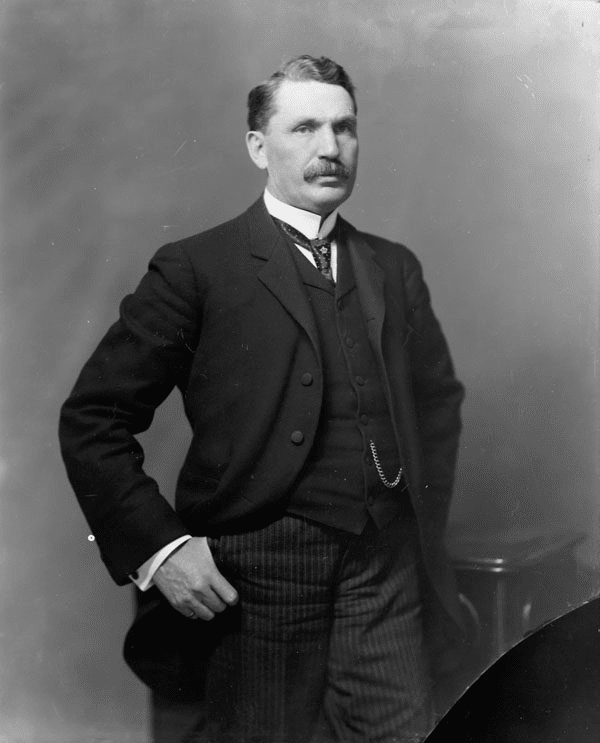
Ahearn’s journey began in a humble working-class family. However, through decades of dedication, he became one of Ottawa’s wealthiest and most influential businessmen. His career defied his origins and financial beginnings, leaving an indelible mark on the city’s history.
He possessed technical expertise, strong intuition, and exceptional communication skills, enabling him to build powerful political alliances and compete successfully in the business world.
Undoubtedly, Thomas Ahearn played a pivotal role in transforming Ottawa into a modern, industrially developed capital of Canada in the late 19th and early 20th centuries.