

The development of film and animation has been a crucial stage in shaping Ottawa’s cultural identity. Over the years, the city has nurtured national cinema and the animation industry. Eventually, animated films in Ottawa evolved beyond entertainment into a powerful medium for addressing various societal issues. In the latter half of the 20th century, the city became home to a renowned international animation festival, widely known as OIAF. Do you know the unique history and development of the Ottawa International Animation Festival, which has influenced the world of animation and the city’s culture? Read on at ottawaski.com.
How It All Began

The history of the festival dates back to 1975, initiated by key figures in Canadian animation such as Bill Kuhns, Norman McLaren, Frederic Back, Prescott J. Wright, Frank Taylor, and Kelly O’Brien. Significant institutions, including the National Film Board of Canada, Telefilm Canada, CBC Television, and Cinémathèque Québécoise, also played vital roles in the creation and development of the Ottawa Animation Festival.
But why was Ottawa chosen as the venue for this festival? It was not merely because it is Canada’s capital but because it was the country’s cultural epicenter. In the 20th century, Ottawa housed the largest number of animation and film studios. The city already had a strong cinematic presence, making it the ideal location for hosting such a festival. Moreover, many renowned directors and animators originated from the capital.
As recently as the 1950s, animation, including cartoons, was largely perceived by Ottawans as entertainment for children. It was not recognized as a legitimate art form. However, director Norman McLaren played a pivotal role in transforming this perception. While working at the National Film Board of Canada, McLaren produced unique works that showcased animation’s potential beyond children’s amusement. His films demonstrated that animation could be an art form in its own right, addressing complex themes and issues.
McLaren was among those who advocated for the establishment of a platform dedicated to promoting and advancing animation as an art form in Canada. The festival’s primary objective was to secure recognition for animation as an independent form of artistic expression, separate from traditional children’s entertainment.
The First Ottawa Animation Festival
Although the festival was officially founded in 1975, its inaugural edition took place in August 1976. The Canadian Film Institute, in collaboration with the International Animated Film Association, organized the event.
The first animation festival was relatively small in scale and was held at the National Arts Centre in Ottawa. The event featured a few hundred films from several countries. The primary aim of the 1976 festival was to showcase the work of both emerging and professional animators, provide a platform for collaboration, and engage with a broader audience.
A distinguishing feature of the Ottawa Animation Festival was its dedication to showcasing innovative and experimental animation. Nearly all the animated films presented at the festival stood apart from conventional cartoons. They featured deeper narratives, well-thought-out storylines, and, most importantly, conveyed significant messages that expanded the boundaries of traditional animation.
The Growth of the Ottawa Animation Festival
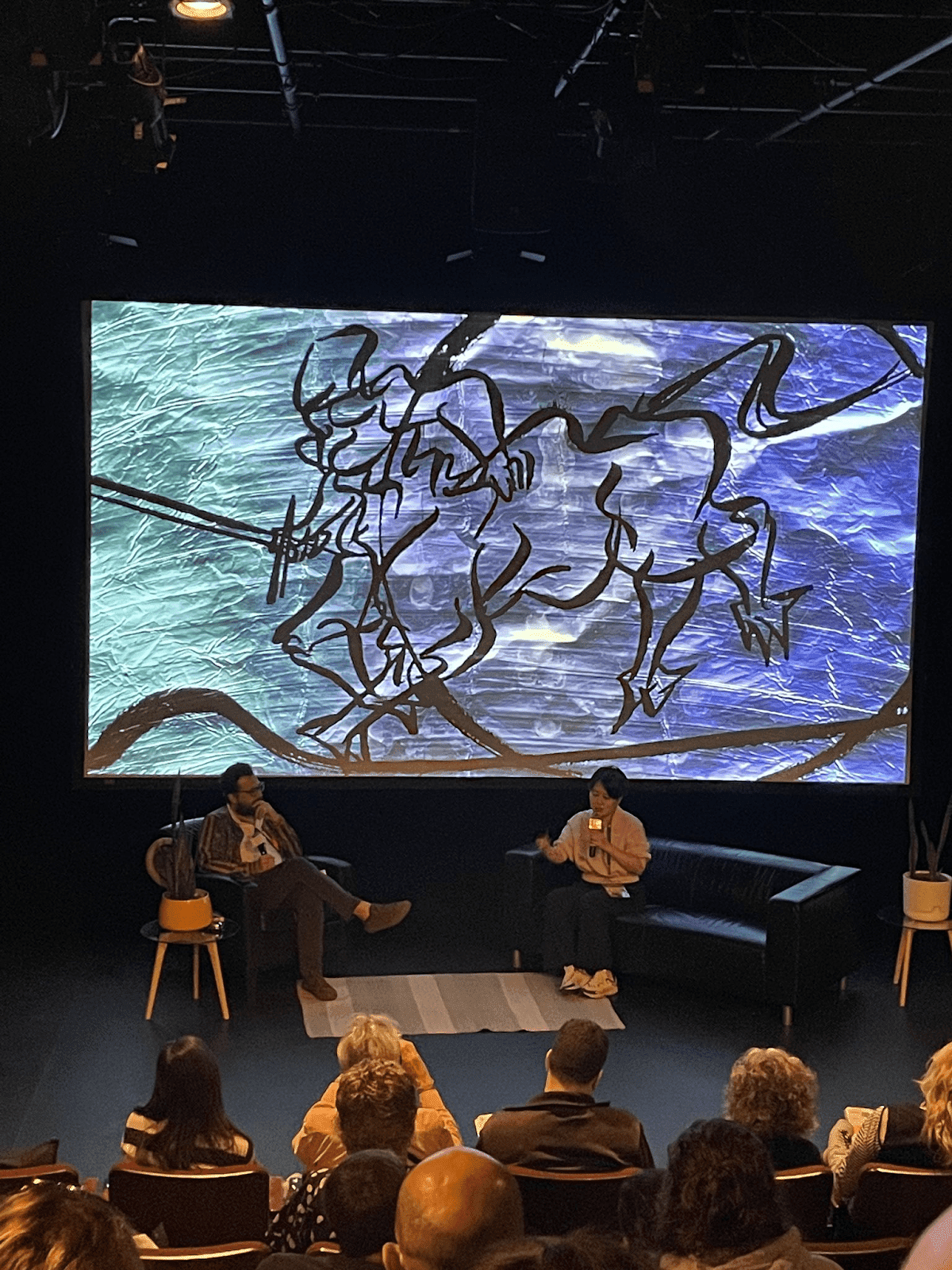
As the festival gained recognition and popularity, it expanded considerably. While attendance was minimal in 1976, within a few years, larger venues were required to accommodate the growing number of visitors. Over the years, the festival has been hosted in various locations, including museums, theaters, and cultural institutions across the city. The rotating venues helped expose a wider audience to the rich and diverse world of animation.
In 1984, festival organizers made a significant decision to relocate the event. For several years, the festival was held in Toronto and later in Hamilton. However, by the early 1990s, Ottawa once again became the festival’s permanent home, and it has remained there ever since.
Over time, the Ottawa Animation Festival continued to grow and evolve. In 1997, the Ottawa International Student Animation Festival was introduced, and by 2005, student works became an integral part of the main event.
Today, the Ottawa International Animation Festival is regarded as one of Canada’s most prestigious animation events. It attracts directors and animators from around the world.
This annual international animation event has played a key role in shaping Canada’s animation industry. The festival provides a unique and essential platform for both established and aspiring directors and animators to showcase their talents. The event’s emphasis on experimental and cutting-edge works has pushed the boundaries of conventional animation, transforming how it is perceived and created.
The Ottawa International Animation Festival is more than just an event; it is a significant contributor to the artistic and cultural landscape of Ottawa. Through its continuous evolution, it has solidified itself as a crucial platform for advancing the art of animation and fostering creative innovation on a global scale.